The 8 Most Common Types of Health Screenings and Who Needs Them
Health screenings are essential for early detection of potential health issues. They help you stay on top of your well-being, identify risk factors early, and prevent serious conditions from worsening. While pharmacies like Sylvania Pharmacy offer valuable services such as flu shots and blood pressure monitoring, certain health screenings are usually performed at your doctor’s office or through specialized clinics. These tests are not available at pharmacies, but understanding their importance and knowing when to schedule them can help you take charge of your health.
In this blog post, we’ll cover the eight most common types of health screenings and explain who needs them. Let’s dive into the screenings that can improve your health and quality of life.
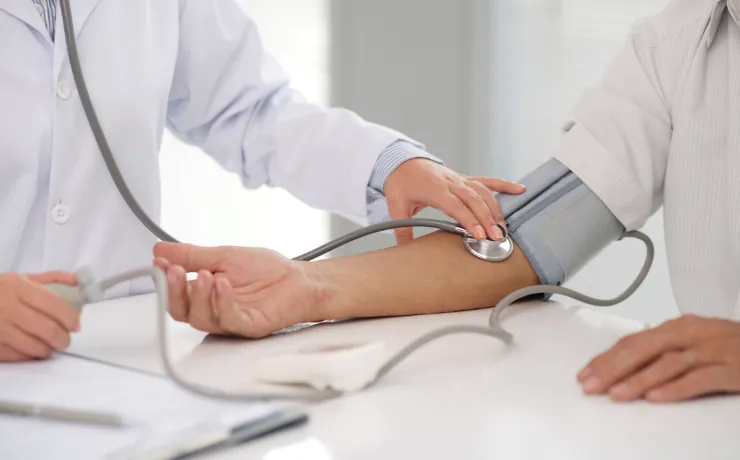
1. Blood Pressure Screening
What it is: Blood pressure screening measures the force of blood against your artery walls as your heart pumps. High blood pressure, or hypertension, often has no symptoms but can lead to serious complications like heart disease or stroke.
Who needs it:
-
Adults should have their blood pressure checked at least once every two years if it's normal (below 120/80 mm Hg).
-
Those with high blood pressure (hypertension) should check it more frequently.
-
Anyone over 40 should monitor their blood pressure regularly.
Why it matters: Regular blood pressure checks help detect hypertension early, giving you the chance to manage it before it leads to more serious health issues.
2. Cholesterol Screening
What it is: Cholesterol screening tests measure the levels of cholesterol in your blood. High cholesterol can lead to the buildup of fatty deposits in your arteries, which may increase the risk of heart disease and stroke.
Who needs it:
-
Adults aged 20 or older should get their cholesterol levels checked every 4-6 years.
-
Those with risk factors, such as diabetes, obesity, or a family history of heart disease, may need more frequent tests.
Why it matters: Identifying high cholesterol early can help prevent cardiovascular disease and other related health issues.
3. Diabetes Screening
What it is: Diabetes screenings involve blood tests that check for high blood sugar levels. It helps detect prediabetes or diabetes early, so you can manage the condition effectively.
Who needs it:
-
Adults aged 45 or older, especially if they are overweight or obese.
-
People with a family history of diabetes or other risk factors should start screening earlier.
Why it matters: Early detection of diabetes can prevent complications such as kidney disease, nerve damage, and heart disease.
4. Cancer Screenings
Cancer screenings help detect certain types of cancer before symptoms appear. Early detection can significantly increase the chances of successful treatment. Common screenings include:
Breast Cancer Screening
-
Mammograms are used to detect breast cancer in women.
-
Who needs it: Women aged 40-44 should discuss with their doctor whether to begin mammograms, and those 45 and older should get them annually.
Colorectal Cancer Screening
-
Colonoscopy or other tests are used to detect colorectal cancer.
-
Who needs it: Adults aged 45 and older, or those with a family history of colorectal cancer.
Why it matters: Early detection of cancer allows for treatment when it's most effective, increasing survival rates.
5. Vision Screening
What it is: Vision screenings check for vision issues such as near-sightedness, far-sightedness, or other eye problems.
Who needs it:
-
Children should have their vision checked as part of routine health exams.
-
Adults over 40 should have their eyes checked for age-related conditions like glaucoma or macular degeneration.
Why it matters: Untreated vision problems can interfere with daily life and may lead to more serious issues. Early detection of conditions like glaucoma can prevent vision loss.
6. Hearing Screening
What it is: A hearing screening assesses your ability to hear and helps detect hearing loss. Early intervention can improve the quality of life for those with hearing problems.
Who needs it:
-
Newborns should undergo a hearing screening at birth.
-
Adults over 60 or those with a history of exposure to loud noise should have regular hearing tests.
Why it matters: Early treatment for hearing loss can prevent social isolation and cognitive decline, improving overall well-being.
7. Skin Cancer Screening
What it is: Skin cancer screenings look for abnormal moles or skin changes that could indicate skin cancer. The most common types are melanoma, basal cell carcinoma, and squamous cell carcinoma.
Who needs it:
-
Adults with a family history of skin cancer or those with fair skin, frequent sunburns, or a history of excessive sun exposure should have regular skin exams.
Why it matters: Early detection of skin cancer can lead to better treatment outcomes, as skin cancer is highly treatable when caught early.
8. Osteoporosis Screening
What it is: Osteoporosis screenings use a bone density test to assess bone health and risk for fractures. Osteoporosis weakens bones and increases the risk of fractures.
Who needs it:
-
Women over 65 and men over 70 should be screened for osteoporosis.
-
Younger individuals with risk factors such as low body weight, family history, or long-term steroid use should also be considered for screening.
Why it matters: Early detection allows for lifestyle changes and medications to strengthen bones and reduce the risk of fractures.
Conclusion
Health screenings are a vital part of preventative healthcare. Regular screenings can catch potential health issues early, enabling timely intervention and treatment. While many of these screenings take place in medical clinics or doctor’s offices, it’s essential to work with your healthcare provider to ensure you’re getting the screenings you need at the appropriate times.
Remember, Sylvania Pharmacy offers services like blood pressure monitoring and flu shots to support your overall health. To stay proactive about your health, make sure you discuss the appropriate screenings with your healthcare provider and keep track of your health.