
Managing Diabetes: Role of Pharmacists in Your Care Plan
Managing diabetes requires a comprehensive approach, including medication, lifestyle changes, and regular monitoring of blood sugar levels. Whether you’re newly diagnosed or have been living with diabetes for years, having a supportive healthcare team is crucial. Sylvania Pharmacy is here to guide you through the management process and work alongside your doctor to ensure that you stay healthy.
In this blog post, we’ll explore the key role that pharmacists play in diabetes care and how they can help improve your quality of life. From medication management to lifestyle recommendations, pharmacists are valuable partners in managing diabetes effectively.
What Is Diabetes and Why Is Management Important?
Diabetes is a condition that affects how your body processes blood sugar (glucose). There are two main types:
-
Type 1 Diabetes: The body doesn't produce insulin, a hormone that helps regulate blood sugar levels.
-
Type 2 Diabetes: The body doesn’t use insulin properly, or the insulin produced isn’t enough to keep blood sugar levels in check.
Proper management is essential to prevent complications like heart disease, kidney damage, and nerve issues. By working with your healthcare team, including your pharmacist, you can keep your blood sugar levels stable and reduce the risk of long-term complications.
How Can a Pharmacist Help Manage Your Diabetes?
Pharmacists are essential members of your healthcare team. They not only dispense medication but also offer counseling, monitor potential drug interactions, and support lifestyle changes. Here's how Sylvania Pharmacy can help you with your diabetes care plan:
1. Medication Management and Education
There are several medications available to help manage diabetes, including insulin and oral medications. These medications help control blood sugar levels, but understanding how to take them properly is crucial. Your pharmacist can explain:
-
The proper dosage and timing of your medication.
-
How to store your medications.
-
How to monitor your blood sugar and adjust medication doses if necessary (in coordination with your doctor).
By understanding how your medications work and the best way to take them, you can maximize their effectiveness in managing your diabetes.
2. Monitoring Drug Interactions
If you're taking other medications for conditions like high blood pressure, cholesterol, or thyroid problems, it’s essential to monitor for potential drug interactions. Some medications can affect how your diabetes medications work or cause side effects. Your pharmacist will review all the medications you’re taking and look for any possible interactions. They’ll help ensure your prescriptions work together safely.
3. Personalized Care and Lifestyle Advice
Managing diabetes is not just about taking medications. Lifestyle changes like healthy eating, exercise, and stress management are also important. Pharmacists at Sylvania Pharmacy can provide guidance on:
-
Nutrition: Advice on choosing foods that help regulate blood sugar and prevent spikes.
-
Exercise: How physical activity can help lower blood sugar levels and improve overall health.
-
Weight management: Strategies to maintain a healthy weight, which is crucial for controlling type 2 diabetes.
Your pharmacist can also refer you to other healthcare providers, such as nutritionists, to support your diabetes management further.
4. Blood Glucose Monitoring and HbA1c Testing
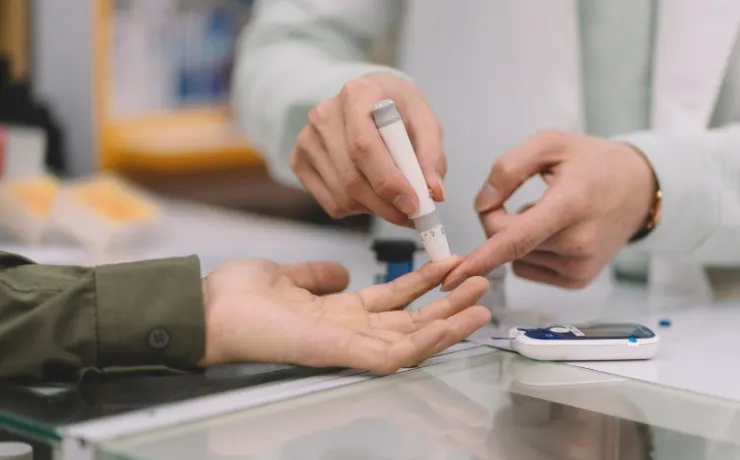
Regular blood glucose testing is an essential part of managing diabetes. Your pharmacist can assist you in learning how to use glucose meters, interpret the results, and make adjustments to your diet or medication based on those readings. In addition to home monitoring, HbA1c testing (which measures your average blood sugar levels over the past two to three months) is also an important tool for tracking your diabetes control. Many pharmacies, including Sylvania Pharmacy, offer HbA1c testing to help you stay on top of your long-term diabetes management.
5. Diabetes Supplies and Durable Medical Equipment
Pharmacists help ensure you have access to the necessary supplies for managing your diabetes. From insulin pens and syringes to blood glucose meters, your pharmacy can provide the tools you need to track and control your blood sugar levels. If you need any specialized durable medical equipment (such as insulin pumps), the pharmacy can help you find it, and in some cases, help you get it covered by your insurance.
6. Support for Managing Complications
Diabetes can lead to complications like nerve damage, heart disease, or kidney issues. Your pharmacist can help you monitor and manage the potential side effects of your diabetes medications. For example, certain diabetes medications may affect kidney function, so your pharmacist will work with you and your doctor to ensure you're managing your health effectively.
7. Refill Reminders and Medication Synchronization
One of the challenges of managing diabetes is remembering to take your medications on time. With medication synchronization services, your pharmacist can help you align your medication refills so that you pick up all your prescriptions at once, making it easier to stay on top of your treatment. Additionally, they can send reminders to ensure you don't miss doses.
Why Choose Sylvania Pharmacy for Your Diabetes Care?
At Sylvania Pharmacy, we understand that diabetes management is a lifelong commitment. Our pharmacists are dedicated to providing personalized care and support to help you manage your condition and improve your quality of life. We are here to guide you through the process, from medication management to lifestyle changes, and ensure that you have all the resources you need to take control of your health.
By partnering with your pharmacist, you can better understand your medications, avoid potential complications, and stay on track with your diabetes management plan.