Limited Hours — Friday 3/20
We will be open 2:00 PM – 6:30 PM only

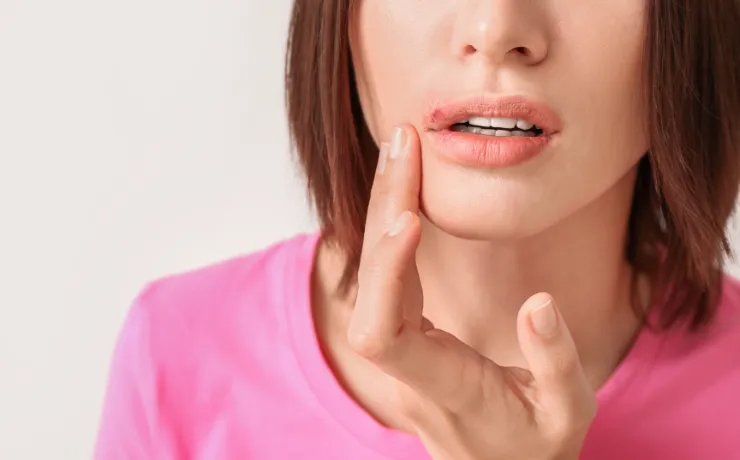
Cold Sore vs Canker Sore: How to Treat Them at Home
Mouth sores can be painful, frustrating, and sometimes confusing to identify. Two of the most common types are cold sores and canker sores. While they may look or feel similar, they have very different causes, and the treatments for each are not the same.
At Sylvania Pharmacy, we help patients understand the difference so they can manage their symptoms quickly and safely. In this guide, we’ll explain how to tell cold sores and canker sores apart, what causes them, and which home and pharmacy treatments can help.
Cold Sore vs Canker Sore: Key Differences
Although both cause discomfort in or around the mouth, there are clear distinctions between the two.
Cold Sores
-
Caused by a virus (commonly the herpes simplex virus).
-
Appear outside the mouth, usually on the lips or around the nose.
-
Start as small blisters that break open and form a crust.
-
Are contagious and can spread through close contact.
Canker Sores
-
Not caused by a virus—often linked to irritation, stress, or minor injury.
-
Develop inside the mouth, such as on the inner cheeks, gums, tongue, or soft palate.
-
Appear as small, round ulcers with a white or yellow center and a red border.
-
Not contagious and cannot be spread to others.
Understanding these differences is the first step in choosing the right treatment.
Common Causes and Triggers
Cold Sore Triggers
-
Viral infection reactivation (the virus stays dormant and can flare up).
-
Stress, fatigue, or illness.
-
Sun exposure or cold weather.
-
Weakened immune system.
Canker Sore Triggers
-
Mouth injury (like biting the inside of your cheek).
-
Stress or hormonal changes.
-
Certain foods (acidic, spicy, or salty).
-
Vitamin or mineral deficiencies.
Identifying your personal triggers can help reduce the frequency of outbreaks.
Symptoms to Watch For
Cold Sore Symptoms
-
Tingling or burning before a blister appears.
-
Clusters of small fluid-filled blisters.
-
Pain, itching, or crusting as they heal.
Canker Sore Symptoms
-
A single round ulcer or several small ulcers inside the mouth.
-
Pain when eating, drinking, or talking.
-
Usually heal without scarring in 1–2 weeks.
Home Remedies and Self-Care Tips
For both cold sores and canker sores, simple home remedies may ease discomfort and speed healing:
-
Cold compresses: Reduce swelling and pain.
-
Salt water rinses: Cleanse the mouth and soothe canker sores.
-
Avoid irritants: Stay away from spicy or acidic foods.
-
Stay hydrated: Keeps the mouth moist and promotes healing.
-
Manage stress: Relaxation techniques may prevent flare-ups.
Pharmacy Treatments for Relief
Pharmacies offer a variety of treatments to help manage both types of sores.
For Cold Sores
-
Topical creams or ointments: May shorten healing time and reduce pain if applied early.
-
Pain relievers: Over-the-counter options can ease discomfort.
-
Protective lip balms: Prevent dryness and protect healing skin.
For Canker Sores
-
Mouth rinses: Special rinses help numb pain and reduce irritation.
-
Topical gels or pastes: Form a protective barrier over the sore, easing discomfort.
-
Nutritional supplements: May help if sores are linked to vitamin deficiencies.
At Sylvania Pharmacy, our team can guide you in choosing the safest and most effective treatment for your symptoms.
Preventing Future Outbreaks
Cold Sores
-
Use sunscreen or protective lip balm outdoors.
-
Avoid sharing utensils, lip products, or close contact during outbreaks.
-
Support your immune system with rest, hydration, and a balanced diet.
Canker Sores
-
Avoid foods that trigger irritation.
-
Use a soft-bristled toothbrush to prevent mouth injury.
-
Reduce stress through healthy routines and relaxation.
When to See a Healthcare Professional
While most cold sores and canker sores heal on their own, professional care may be needed if you experience:
-
Frequent or severe outbreaks.
-
Sores that last longer than two weeks.
-
Difficulty eating, drinking, or speaking due to pain.
-
Signs of infection, such as spreading redness or pus.
Your pharmacist can help you decide whether it’s time to see a doctor.
Final Thoughts
Both cold sores and canker sores are common, but knowing the difference is key to finding the right treatment. Cold sores are viral and contagious, while canker sores are not contagious but can be triggered by irritation, stress, or diet.
With the right combination of self-care, pharmacy treatments, and professional guidance, you can manage outbreaks and find relief faster.
At Sylvania Pharmacy, we’re here to help you choose the best options for your needs and support you in keeping your mouth healthy and comfortable.